
For many, the word “feedback” can trigger an immediate feeling of dread. We either fear delivering a difficult message that might upset someone, or we brace ourselves for what feels like a personal attack. Yet, in a healthy professional or personal environment, feedback is not a weapon; it’s a tool for growth. It is a core component of your advanced communication strategies, essential for solving problems and fostering improvement.
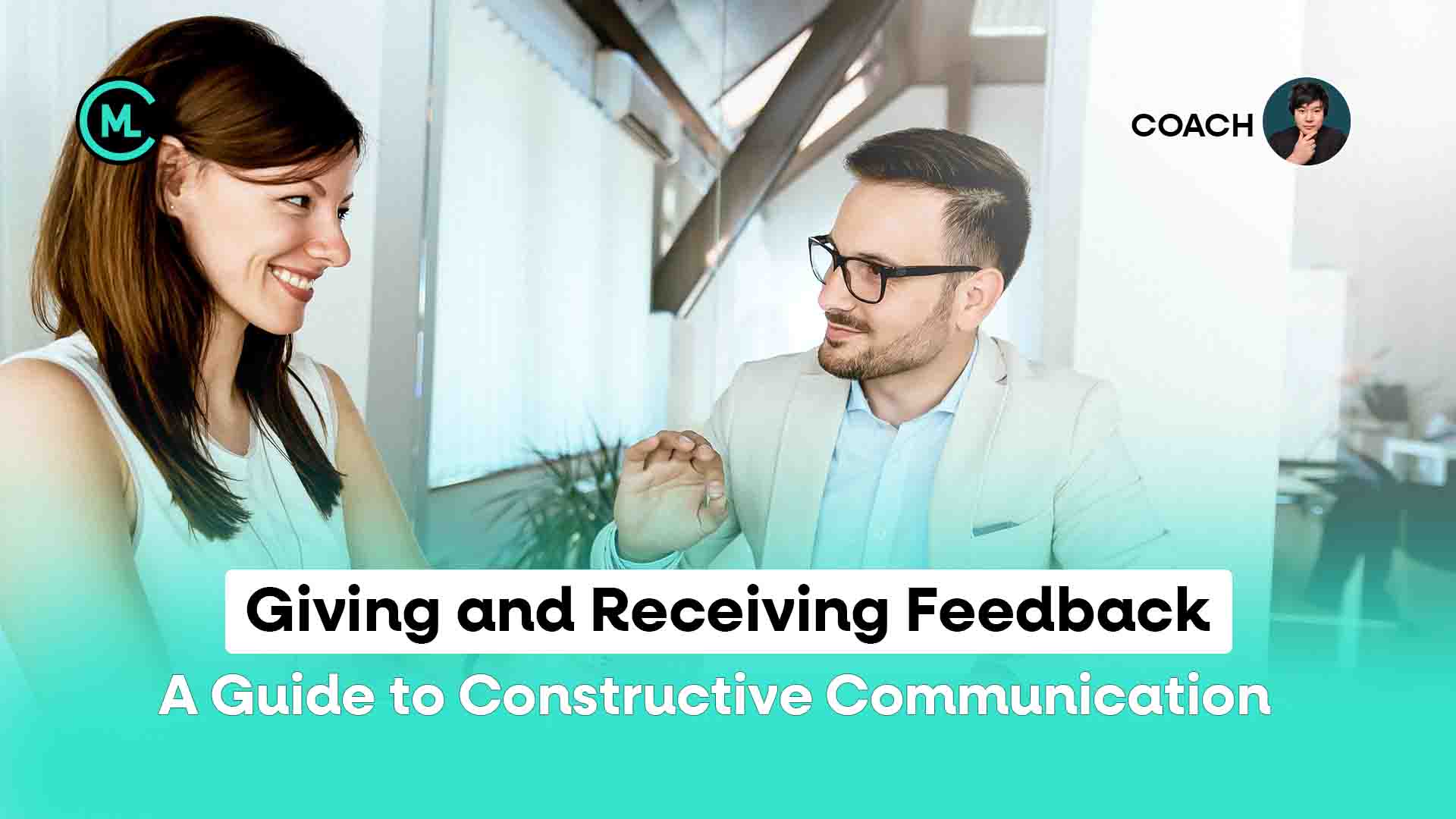
Mastering the art of both giving feedback and receiving feedback is a powerful skill that can transform relationships, accelerate personal development, and build a culture of trust. It requires practice, empathy, and the right approach.
This guide will demystify the entire feedback process. We’ll explore the principles of constructive criticism and provide you with actionable frameworks for both sides of the conversation, ensuring you can turn a moment of tension into an opportunity for growth.
What is Constructive Criticism?
Constructive criticism is feedback that is given with the goal of helping someone improve. Unlike destructive criticism, which is often vague, personal, and hurtful, constructive criticism is:
- Specific: It focuses on a particular behavior or action, not a personality trait.
- Objective: It’s based on facts and observations, not assumptions or judgments.
- Helpful: It provides a clear, actionable path forward for improvement.
- Respectful: It is delivered with an empathetic and supportive tone.
Constructive feedback is a form of advanced communication that requires a sophisticated understanding of how to manage a conversation and how to frame a message for the best possible outcome.
The Art of Giving Feedback Effectively
When you need to deliver feedback, remember that your ultimate goal is to help the other person succeed. The right framework can make this much easier.
The PREP Framework for Giving Feedback
To ensure your feedback is effective, prepare yourself with this simple framework.
- P is for Prepare: Before the conversation, prepare your thoughts. Choose a private, respectful setting. Never give important feedback in public. Be clear about your purpose and the specific points you want to make.
- R is for Respect: The golden rule of giving feedback is to focus on the behavior, not the person. Frame your message around the impact of their actions, not your judgment of their character.
- E is for Examples: Avoid vague statements like “Your communication skills need work.” Instead, provide a specific, recent example: “During the meeting on Tuesday, when you interrupted the client, it made our team seem unprepared.”
- P is for Practical: Don’t just point out a problem; offer a solution or a path forward. Ask, “What can we do to improve this in the future?” or “I’d suggest we practice better handoffs before the next client call.”
The Power of “I” Statements
This simple verbal technique is a cornerstone of feedback skills. Instead of using “you” statements that can sound accusatory (“You always interrupt”), use “I” statements that describe the impact on you or the team (“I feel like we miss important information when a speaker is interrupted”). This approach describes a consequence without assigning blame, making the message easier to receive.
Aligning with Empathy
Before you deliver feedback, take a moment to consider the other person’s perspective. Are they stressed? Are they unaware of the impact they’re having? Using empathetic communication is critical. A genuine understanding of their emotional state can change the way you frame your message and make the conversation feel collaborative instead of confrontational. For a deeper dive into this skill, read our guide on Empathetic Communication: Connecting on a Deeper Level.
Mastering the Art of Receiving Feedback
Receiving feedback well is a mark of true maturity and a vital skill for anyone looking to grow. It requires controlling your initial defensive reaction and seeing the conversation as an opportunity.
Adopt a Growth Mindset
Your mindset is the most important factor. View feedback as a gift of information, not a judgment. A growth mindset tells you that you have the ability to learn and improve. It’s the essential ingredient in turning performance feedback into a learning experience.
The LISTEN Framework for Receiving Feedback
When someone is giving you feedback, use this framework to process it effectively.
- L is for Listen: Don’t interrupt or formulate your defense. Let the person finish their thoughts completely.
- I is for Inquire: Ask clarifying questions to ensure you fully understand their message. For example, “Can you give me a specific example of when that happened?”
- S is for Summarize: Paraphrase what you’ve heard to confirm your understanding. “So, what I’m hearing is that my presentations tend to go over the allotted time. Is that correct?”
- T is for Thank: Thank the person for their honesty and courage. This is a difficult conversation for both of you.
- E is for Explore: Discuss a path forward. “What would you suggest I do to make sure I finish on time?”
- N is for Navigate: Take some time to reflect. You don’t have to act on all feedback, but you should seriously consider it and decide which advice you will implement.
Control Your Non-Verbal Reactions
Even if you’re feeling defensive, your non-verbal communication should remain calm and open. Maintain steady eye contact, keep your arms uncrossed, and avoid scowling or fidgeting. These actions signal to the other person that you are receptive and respectful, making the conversation less tense. For more on this, read our guide on Non-Verbal Communication: Understanding Body Language: Decoding Non-Verbal Cues.
Common Feedback Mistakes to Avoid
- For the Giver:
- Vague Feedback: Saying “You need to be more proactive” instead of “I noticed you didn’t volunteer to lead the last two discussions.”
- The “Sandwich Method”: Placing a piece of constructive criticism between two compliments. This can be confusing and makes the person question the sincerity of the praise.
- Waiting Too Long: Delivering feedback weeks after the event has happened makes it less relevant and harder to act on.
- For the Receiver:
- Getting Defensive: Shifting the blame or making excuses.
- Interrupting: Cutting off the person giving feedback.
- Dismissing It: Saying “That’s just the way I am” or “You don’t understand my situation.”
Conclusion
Mastering the process of giving feedback and receiving feedback is an essential part of becoming a truly effective communicator. It transforms feedback from a moment of fear into a catalyst for growth, and it’s a vital part of your feedback skills. By adopting a strategic, empathetic approach, you can navigate these difficult conversations with confidence and build stronger, more productive relationships.
To become a truly masterful communicator in any context, dive into our ultimate resource The Ultimate Guide to Mastering Communication Skills: From Basics to Advanced Strategies. Keep practicing, keep learning, and start seeing feedback as the valuable gift it truly is.


